
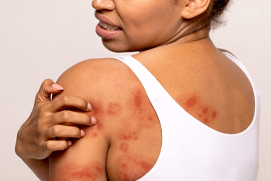
What Is Shingles? Causes, Symptoms, and When to Seek Help
Each year in England and Wales, around 790 to 880 people per 100,000 aged 70 to 79 develop shingles. This painful skin condition is caused by the reactivation of the chickenpox virus, which can lie dormant in the body for decades. Understanding the causes, spotting the early signs, and knowing when to seek help can make a big difference in easing symptoms and reducing complications. What Is Shingles? Shingles is a painful skin condition caused by the same virus that leads to chickenpox. After a person recovers from chickenpox, the virus can stay dormant in the body and may reactivate later as shingles. It usually affects adults and can cause discomfort that lasts for weeks. What Are the Signs of Shingles? The symptoms of shingles usually follow a clear pattern, starting with early warning sensations before progressing to a rash and other effects. Early Warning – Tingling or Pain Many people first notice tingling, burning or pain on one side of the body. This might feel like nerve discomfort before any rash appears. The Rash and Blisters A few days after those sensations, you will often see a red rash that develops into fluid-filled blisters. Shingles symptoms usually appear in a strip or belt across one side of the body. The rash may be extremely sore or itchy. Other Common Symptoms of Shingles Other shingles symptoms can include fever, headache, sensitivity to light, and fatigue. Some people experience discomfort even before the rash shows. What Are the Main Causes of Shingles? Shingles is caused by the varicella-zoster virus. People who have had chickenpox already carry this virus in their nervous system. It can reactivate when the immune system is weakened, such as through stress, illness, or ageing. What Are the Best Shingles Treatment Options? Most cases of shingles can be managed with antiviral medicines if started early. Pain relief is also important to help you stay comfortable while the rash heals. Keeping the rash clean and dry can prevent infection. If you need shingles treatment in Bebington, our pharmacy team is here to support you with professional advice and access to suitable care. When to Seek Expert Help You should seek help quickly if you notice a rash on your face or near your eyes, or if your pain is severe. Early treatment can make a big difference in reducing discomfort and lowering the risk of long-term nerve pain. Our pharmacists can guide you on the best shingles treatment and provide reassurance throughout your recovery. Get Support for Shingles in Bebington Living with shingles can be uncomfortable, but you do not need to manage it alone. Our experts at The Pharmacy Bebington can offer effective options for shingles treatment and advice customised to your needs. Book your appointment with our team today and take the first step towards relief. FAQs About Shingles What are the first signs of shingles? The first signs of shingles are usually tingling, burning, or pain on one side of the body. A red rash then appears, which turns into small fluid-filled blisters. How long does shingles last? Shingles usually lasts between two and four weeks. Most people recover fully, although some may have lingering nerve pain after the rash heals. Can shingles spread to other people? You cannot give someone shingles directly, but the virus can spread to people who have never had chickenpox. In those cases, they may develop chickenpox, not shingles. What is the best shingles treatment? The best shingles treatment often includes antiviral medicines started as soon as possible. Pain relief and keeping the rash clean and dry can also help with recovery. When should I seek help for shingles? You should seek help quickly if the rash is near your eyes, if the pain is very strong, or if you feel generally unwell. Early treatment gives the best chance of relief. Where can I get shingles treatment in Bebington? You can access shingles treatment in Bebington at The Pharmacy Bebington. Our experts are here to guide you on effective options and provide supportive care.