
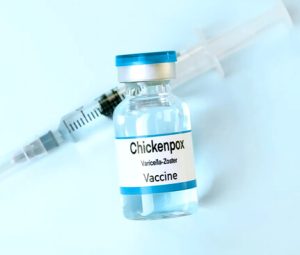
Chickenpox Symptoms, Treatment & When to Seek Help: A Complete Guide
Chickenpox is a widespread viral illness, especially among young children. In England, between 2016 and 2022, general practitioner consultations for chickenpox averaged about 3.4 per 100,000 people per week, with the highest rates in children aged 1-4 years. Although rates have been declining, many people remain susceptible because the chickenpox vaccine is not yet part of the universal NHS childhood schedule. In this article, we explain what chickenpox looks like, how it can be treated, the options available for the chickenpox vaccine in the UK, and when to seek help from our experts. What is Chickenpox? Chickenpox is a common viral infection that mostly affects children but can also occur in adults. It usually causes an itchy rash, small blisters, and mild flu-like symptoms. While most people recover without issues, some cases may need medical attention. Who Is More Likely to Get It? It mostly affects children under 10. Over 90% of people older than 15 in England and Wales have already had chickenpox and are immune. What Are the Symptoms of Chickenpox? The first signs of chickenpox often include: Fever and tiredness Loss of appetite A rash that turns into fluid-filled blisters Itchy skin that later scabs over Symptoms usually last about a week. Adults and people with weak immune systems may have more severe symptoms. How Chickenpox is Treated Let us now explore some effective ways of treating chickenpox: Home Remedies & Symptom Relief Rest, plenty of fluids, cool baths and over-the-counter remedies to ease fever and itching are often enough in mild cases. Calamine lotion and antihistamines help relieve skin irritation. Risks & When Treatment Is More Serious Complications can include skin infections, pneumonia or, rarely, swelling of the brain (encephalitis). Pregnant people, infants under 1 year, or those with weakened immune systems are at higher risk. The Chickenpox Vaccine in the UK: Prevention & Options The chickenpox vaccine provides effective protection against the illness. It is not part of the routine NHS childhood schedule, but it is widely available privately. Booking a chickenpox vaccination can help prevent both the infection and its possible complications. It is particularly recommended for adults who never had chickenpox and for people at risk of spreading it to vulnerable groups. When to Seek Expert Help for Chickenpox Symptoms You should seek help from our pharmacists if: The rash spreads to your eyes. You develop breathing difficulties. Symptoms are severe or do not improve. You are pregnant and think you have chickenpox. Our pharmacists can guide you on the right steps and discuss vaccination if needed. Protect Your Family with Vaccination The chickenpox vaccine is the best way to prevent the illness and its complications. If you are considering protection for yourself or your child, book your appointment with our pharmacists at The Pharmacy Bebington today. FAQs about Chickenpox and Vaccination 1. What are the first signs of chickenpox? The first signs often include a mild fever, tiredness, loss of appetite, and an itchy rash that turns into fluid-filled blisters. 2. How long does chickenpox last? Chickenpox usually lasts around 7 to 10 days. The rash develops in stages, from spots to blisters to scabs, before healing. 3. Can adults get chickenpox? Yes, adults can get chickenpox if they have never had it before. Symptoms in adults are often more severe and can lead to complications. 4. Is there a chickenpox vaccine in the UK? Yes, the chickenpox vaccine is available in the UK, although it is not part of the NHS routine schedule. It can be booked privately through pharmacies and clinics. 5. Where can I get a chickenpox vaccine near me? You can get the chickenpox vaccine at local pharmacies, including The Pharmacy Bebington, through our private vaccination services. 6. When should I seek help for chickenpox? You should seek help if the rash spreads to the eyes, if you have trouble breathing, if symptoms worsen, or if you are pregnant and think you have chickenpox.