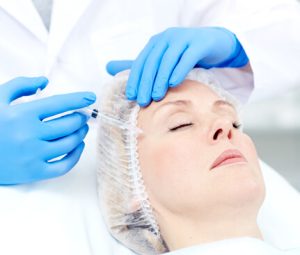
Combining Anti-Wrinkle Injections with Other Skincare Treatments

There are now 22 million people aged over 50 in England, making up about two in every five of the population. As people age, signs such as fine lines, wrinkles and sagging skin commonly become more noticeable. Many seek non-surgical options, including anti-wrinkle injections, to refresh their appearance. When combined with other skincare treatments, these injections can deliver more natural and long-lasting results. What Are Anti-Wrinkle Injections? Anti-wrinkle injections are a popular non-surgical option for reducing the appearance of fine lines and wrinkles. These anti-ageing injections work by relaxing the muscles that cause expression lines, leaving the skin looking smoother and refreshed. Many people search for anti-wrinkle injections near me because they want a quick and effective way to improve their appearance without downtime. Why Combine Anti-Wrinkle Injections with Other Treatments? While anti-ageing injections improve muscle-related lines, they do not address all ageing concerns. Combining treatments creates a more complete result. Dermal Fillers Fillers can restore lost volume in areas such as the cheeks and lips, which injections alone cannot achieve. Chemical Peels or Facials These treatments improve skin texture, reduce pigmentation, and brighten dull skin. Microneedling Microneedling encourages natural collagen production, helping skin look firmer over time. Benefits of Combining Treatments Combining anti-wrinkle treatment with other options offers several advantages. More Natural Results Addressing both muscle lines and skin texture creates a smoother, balanced look. Longer-Lasting Improvements Supporting treatments can extend and enhance the results of injections. Customised to Your Needs Our experts can design a plan that targets your unique skin concerns. Together, they can create a fresher, more radiant appearance that lasts longer than relying on one option alone. Is It Safe to Combine Treatments? Yes, when carried out by trained experts, combining anti-wrinkle injections with other treatments is considered safe. However, timing matters. Some treatments can be performed in the same session, while others may need to be spaced out to allow the skin to recover. Our experts will guide you on the best approach for your needs and ensure that your treatment plan is both safe and effective. Who Can Benefit the Most from Skincare Treatments? Anyone noticing signs of ageing, such as fine lines, sagging, or dullness, may benefit from a personalised plan. For those looking specifically for an anti-wrinkle injection in Wallasey, combining treatments may be the ideal way to enhance results and achieve a natural look that boosts confidence. Personalised Support for Your Skincare Needs If you are thinking about anti-wrinkle treatment or want to know how anti-wrinkle injections can work alongside other skincare options, our experts are here to help. Book your consultation with The Pharmacy Bebington today, and let us create a plan that works for you. FAQs on Anti-Wrinkle Injections and Skincare Treatments 1. Can I combine anti-wrinkle injections with other skincare treatments? Yes, anti-wrinkle injections can be safely combined with treatments such as dermal fillers, chemical peels, and facials. This approach helps address multiple skin concerns like lines, volume loss, and uneven tone. 2. How long should I wait between anti-wrinkle injections and other treatments? It depends on the type of treatment. Some can be done in the same session, while others may need a gap of a few days or weeks to let the skin recover. Our experts can guide you on the best schedule. 3. Are anti-wrinkle and anti-ageing injections the same? Yes, anti-wrinkle injections are often referred to as anti-ageing injections because they reduce visible signs of ageing by relaxing the muscles that cause wrinkles. 4. Will combining treatments give me longer-lasting results? Combining anti-wrinkle treatment with other skincare solutions often gives more balanced and longer-lasting results, as it targets different ageing factors at the same time. 5. Is it safe to get anti-wrinkle injections near me if I have sensitive skin? Yes, but it is important to have a consultation first. Our experts will assess your skin type and recommend the safest options tailored to your needs. 6. Where can I get an anti-wrinkle injection in Wallasey? You can book an appointment at The Pharmacy Bebington for safe and effective anti-wrinkle injections, serving Wallasey and surrounding areas, with personalised skincare advice from our trained professionals.


Read More »

Delaying Your Period: What Are the Benefits and Risks?

Many people think about period delay treatment for convenience or to manage symptoms. A Public Health England survey found that around 35% of women experience heavy menstrual bleeding, yet fewer than half of those affected seek help. This shows how common menstrual issues are and why some choose to explore delaying their period. In this article, we explain what period delay treatment involves, its benefits and risks, and how to access effective period delay treatment. What Does Period Delay Treatment Involve? Period delay treatment is a method to temporarily postpone your period by using medication that adjusts hormone levels. This treatment gives you flexibility around life events such as holidays, exams, or religious observances. How the Treatment Works Period delay medication works by affecting hormone levels, which stops the lining of the womb from breaking down at the usual time. This delay prevents bleeding until the treatment is stopped. Suitable Candidates for Period Delay Treatment Most healthy people can use period delay treatment safely. However, if your cycle is already irregular or you have underlying conditions, our pharmacists will assess your case carefully. What Are the Benefits of Delaying Your Period? The main benefit is convenience. You can plan around special occasions without worrying about discomfort. For those with heavy or painful periods, delaying them can also offer short-term relief. Some treatments may help reduce symptoms such as cramps, mood swings, and bloating. Risks Linked to Delayed Menstrual Period Treatment Like all medicines, delayed menstrual period treatment can come with side effects. These may include mild headaches, breast tenderness, or changes in mood. More serious risks are rare, but it is important to discuss your health history before starting. Our pharmacists will guide you through safe options and help you decide if this is right for you. Difference Between Treatment for Delayed Periods and Period Delay Treatment It is important not to confuse treatment for delayed periods with period delay treatment. If your periods are naturally late or irregular, it could be linked to stress, hormonal changes, or an underlying condition. In such cases, our pharmacists will help you find the right support rather than simply postponing your cycle. Take the Next Step with Our Experts If you are looking for period delay treatment in New Ferry, private and confidential support is available at The Pharmacy Bebington, also serving surrounding areas. Our team offers discreet consultations to ensure you receive appropriate advice and treatment without the need for a GP appointment, with personalised guidance tailored to your needs. Managing your period should be on your terms. Whether you want flexibility for an important event or need reassurance about your options, our team is here to support you. Book your appointment with our experts at The Pharmacy Bebington today and get safe, reliable advice on period delay treatment. FAQs on Period Delay Treatment 1. How does period delay treatment work? Period delay treatment works by using medication that temporarily adjusts hormone levels, which helps prevent the lining of the womb from breaking down, delaying bleeding. 2. Is it safe to delay my period with medication? Yes, for most people it is safe. Our pharmacists will check your health history and current medicines to make sure period delay treatment is suitable for you. 3. Can I use period delay treatment if my periods are irregular? If your periods are already delayed or irregular, it is best to speak with our pharmacist. Treatment for delayed periods is different from period delay treatment, as irregular cycles may have other causes. 4. What are the side effects of delaying your period? Common side effects may include mild headaches, breast tenderness, or changes in mood. Serious side effects are rare, but our pharmacists will explain what to look out for. 5. How long can I safely delay my period? Period delay treatment is usually recommended for short-term use, such as a few weeks, to cover a holiday or special occasion. Longer use should always be guided by a pharmacist. 6. Where can I get period delay treatment in New Ferry? You can access private and confidential period delay treatment at The Pharmacy Bebington, serving New Ferry and surrounding areas. Our team provides safe, professional advice and will help identify the most suitable treatment option for you.

Read More »

What Is Shingles? Causes, Symptoms, and When to Seek Help

Each year in England and Wales, around 790 to 880 people per 100,000 aged 70 to 79 develop shingles. This painful skin condition is caused by the reactivation of the chickenpox virus, which can lie dormant in the body for decades. Understanding the causes, spotting the early signs, and knowing when to seek help can make a big difference in easing symptoms and reducing complications. What Is Shingles? Shingles is a painful skin condition caused by the same virus that leads to chickenpox. After a person recovers from chickenpox, the virus can stay dormant in the body and may reactivate later as shingles. It usually affects adults and can cause discomfort that lasts for weeks. What Are the Signs of Shingles? The symptoms of shingles usually follow a clear pattern, starting with early warning sensations before progressing to a rash and other effects. Early Warning – Tingling or Pain Many people first notice tingling, burning or pain on one side of the body. This might feel like nerve discomfort before any rash appears. The Rash and Blisters A few days after those sensations, you will often see a red rash that develops into fluid-filled blisters. Shingles symptoms usually appear in a strip or belt across one side of the body. The rash may be extremely sore or itchy. Other Common Symptoms of Shingles Other shingles symptoms can include fever, headache, sensitivity to light, and fatigue. Some people experience discomfort even before the rash shows. What Are the Main Causes of Shingles? Shingles is caused by the varicella-zoster virus. People who have had chickenpox already carry this virus in their nervous system. It can reactivate when the immune system is weakened, such as through stress, illness, or ageing. What Are the Best Shingles Treatment Options? Most cases of shingles can be managed with antiviral medicines if started early. Pain relief is also important to help you stay comfortable while the rash heals. Keeping the rash clean and dry can prevent infection. If you need shingles treatment in Bebington, our pharmacy team is here to support you with professional advice and access to suitable care. When to Seek Expert Help You should seek help quickly if you notice a rash on your face or near your eyes, or if your pain is severe. Early treatment can make a big difference in reducing discomfort and lowering the risk of long-term nerve pain. Our pharmacists can guide you on the best shingles treatment and provide reassurance throughout your recovery. Get Support for Shingles in Bebington Living with shingles can be uncomfortable, but you do not need to manage it alone. Our experts at The Pharmacy Bebington can offer effective options for shingles treatment and advice customised to your needs. Book your appointment with our team today and take the first step towards relief. FAQs About Shingles What are the first signs of shingles? The first signs of shingles are usually tingling, burning, or pain on one side of the body. A red rash then appears, which turns into small fluid-filled blisters. How long does shingles last? Shingles usually lasts between two and four weeks. Most people recover fully, although some may have lingering nerve pain after the rash heals. Can shingles spread to other people? You cannot give someone shingles directly, but the virus can spread to people who have never had chickenpox. In those cases, they may develop chickenpox, not shingles. What is the best shingles treatment? The best shingles treatment often includes antiviral medicines started as soon as possible. Pain relief and keeping the rash clean and dry can also help with recovery. When should I seek help for shingles? You should seek help quickly if the rash is near your eyes, if the pain is very strong, or if you feel generally unwell. Early treatment gives the best chance of relief. Where can I get shingles treatment in Bebington? You can access shingles treatment in Bebington at The Pharmacy Bebington. Our experts are here to guide you on effective options and provide supportive care.

Read More »

What Is Sinusitis? Causes, Symptoms and When to See a Pharmacist

Sinusitis is a common health issue across the UK. NICE reports that between 6% and 15% of adults experience acute sinusitis in any given year. This shows that many people are affected, not just those who catch a cold. Understanding what sinusitis is, what causes it, and when to look for professional sinus treatment or sinusitis relief can really help. What is Sinusitis? Sinusitis is when the lining of your sinuses becomes swollen, often after a cold or infection. It can cause discomfort, a blocked sinus, and pressure around the face. What Are the Common Causes of Sinusitis? Sinus infections usually develop after a viral cold, but they can also be triggered by allergies, smoke, or pollution. Less commonly, bacteria can cause the condition. If your sinuses do not drain properly, mucus builds up and leads to inflammation. What Are the Symptoms of Sinusitis to Watch Out For? The main signs of sinusitis include: A blocked or stuffy nose. Pain or pressure around the cheeks, eyes, or forehead. Thick nasal discharge, often yellow or green. Reduced sense of smell. Headache or toothache in some cases. Most mild cases improve within two to three weeks, but longer-lasting symptoms may need treatment. Options for Sinus Treatment and Relief Many people find sinusitis relief with over-the-counter remedies. Saline sprays, decongestants, and pain relievers can ease discomfort. Steam inhalation and keeping well hydrated can also help clear a blocked sinus. If symptoms persist or become more severe, personalised sinusitis support is available at The Pharmacy Bebington, serving Heswall and surrounding areas. Our pharmacists can recommend suitable treatment options, including medications to help manage infection and relieve congestion. When Should You See a Pharmacist? You should seek help if your symptoms last longer than three weeks, worsen after initially improving, or are very painful. Our pharmacists can guide you on effective sinusitis treatment medications and when further care may be needed. Expert Support for Sinusitis Relief If you are struggling with ongoing sinus issues, our team is here to help. We provide professional advice and access to the best treatment for your needs. Book an appointment at The Pharmacy Bebington for trusted sinusitis treatment, serving Heswall and the surrounding areas. FAQs on Sinusitis 1. What is the best treatment for a sinus infection? The best sinus treatment depends on the cause. Simple cases often improve with saline sprays, decongestants, and rest. If symptoms persist, our pharmacists can advise on suitable sinusitis treatment medications. 2. How long does sinusitis usually last? Most sinus infections clear within two to three weeks. If symptoms continue beyond this or get worse, you may need further sinusitis treatment for relief. 3. Can a blocked sinus clear on its own? Yes, a blocked sinus often improves without treatment. Steam inhalation, drinking plenty of fluids, and using over-the-counter remedies can help speed up sinusitis relief. 4. When should I see a pharmacist for sinusitis? You should see a pharmacist if your sinus infection lasts longer than three weeks, is very painful, or if your symptoms improve and then return. 5. Is sinusitis contagious? Sinusitis itself is not contagious, but the colds and viruses that often cause it can spread. Good hygiene, such as regular handwashing, helps reduce the risk. 6. Can allergies cause sinusitis? Yes, allergies can trigger inflammation in the sinuses, leading to symptoms similar to a sinus infection. In such cases, personalised sinusitis treatment may involve managing the allergy alongside sinus relief.

Read More »

Chickenpox Symptoms, Treatment & When to Seek Help: A Complete Guide

Chickenpox is a widespread viral illness, especially among young children. In England, between 2016 and 2022, general practitioner consultations for chickenpox averaged about 3.4 per 100,000 people per week, with the highest rates in children aged 1-4 years. Although rates have been declining, many people remain susceptible because the chickenpox vaccine is not yet part of the universal NHS childhood schedule. In this article, we explain what chickenpox looks like, how it can be treated, the options available for the chickenpox vaccine in the UK, and when to seek help from our experts. What is Chickenpox? Chickenpox is a common viral infection that mostly affects children but can also occur in adults. It usually causes an itchy rash, small blisters, and mild flu-like symptoms. While most people recover without issues, some cases may need medical attention. Who Is More Likely to Get It? It mostly affects children under 10. Over 90% of people older than 15 in England and Wales have already had chickenpox and are immune. What Are the Symptoms of Chickenpox? The first signs of chickenpox often include: Fever and tiredness Loss of appetite A rash that turns into fluid-filled blisters Itchy skin that later scabs over Symptoms usually last about a week. Adults and people with weak immune systems may have more severe symptoms. How Chickenpox is Treated Let us now explore some effective ways of treating chickenpox: Home Remedies & Symptom Relief Rest, plenty of fluids, cool baths and over-the-counter remedies to ease fever and itching are often enough in mild cases. Calamine lotion and antihistamines help relieve skin irritation. Risks & When Treatment Is More Serious Complications can include skin infections, pneumonia or, rarely, swelling of the brain (encephalitis). Pregnant people, infants under 1 year, or those with weakened immune systems are at higher risk. The Chickenpox Vaccine in the UK: Prevention & Options The chickenpox vaccine provides effective protection against the illness. It is not part of the routine NHS childhood schedule, but it is widely available privately. Booking a chickenpox vaccination can help prevent both the infection and its possible complications. It is particularly recommended for adults who never had chickenpox and for people at risk of spreading it to vulnerable groups. When to Seek Expert Help for Chickenpox Symptoms You should seek help from our pharmacists if: The rash spreads to your eyes. You develop breathing difficulties. Symptoms are severe or do not improve. You are pregnant and think you have chickenpox. Our pharmacists can guide you on the right steps and discuss vaccination if needed. Protect Your Family with Vaccination The chickenpox vaccine is the best way to prevent the illness and its complications. If you are considering protection for yourself or your child, book your appointment with our pharmacists at The Pharmacy Bebington today. FAQs about Chickenpox and Vaccination 1. What are the first signs of chickenpox? The first signs often include a mild fever, tiredness, loss of appetite, and an itchy rash that turns into fluid-filled blisters. 2. How long does chickenpox last? Chickenpox usually lasts around 7 to 10 days. The rash develops in stages, from spots to blisters to scabs, before healing. 3. Can adults get chickenpox? Yes, adults can get chickenpox if they have never had it before. Symptoms in adults are often more severe and can lead to complications. 4. Is there a chickenpox vaccine in the UK? Yes, the chickenpox vaccine is available in the UK, although it is not part of the NHS routine schedule. It can be booked privately through pharmacies and clinics. 5. Where can I get a chickenpox vaccine near me? You can get the chickenpox vaccine at local pharmacies, including The Pharmacy Bebington, through our private vaccination services. 6. When should I seek help for chickenpox? You should seek help if the rash spreads to the eyes, if you have trouble breathing, if symptoms worsen, or if you are pregnant and think you have chickenpox.

Read More »

Understanding Erectile Dysfunction: Causes and Treatments

Erectile dysfunction is more common than many realise. According to the British Association of Urological Surgeons (BAUS), about 50-55% of men between 40 and 70 years old experience some level of erectile dysfunction. This statistic shows how widespread the issue is in the UK. Early recognition and appropriate support can make a real difference to health, confidence and quality of life. What is Erectile Dysfunction? Erectile dysfunction happens when you regularly struggle to get or keep an erection firm enough for sexual activity. It is more than an occasional issue and can be linked to physical or emotional factors. Major Causes of Erectile Dysfunction Let us now understand the major causes of erectile dysfunction and treatment options available: Physical causes of erectile dysfunction Many cases are linked to physical health issues. These include: High blood pressure, heart disease or blood vessel problems. Diabetes or hormone imbalances such as low testosterone. Certain medications whose side effects interfere with erectile function. Psychological & lifestyle factors Other causes are emotional or lifestyle-related: Stress, anxiety, depression or relationship concerns. Smoking, excessive alcohol, unhealthy weight, lack of exercise. Our pharmacists can help identify the underlying reason and guide you to the right solution. Erectile Dysfunction Treatment Options Available Erectile dysfunction treatment is personalised to your needs. The best treatment for erectile dysfunction may involve lifestyle changes such as stopping smoking, managing stress, or improving diet and exercise. In some cases, erectile dysfunction treatment medications may be recommended. These are safe and effective when used under the guidance of trained pharmacy experts. Erectile Dysfunction Treatment in Birkenhead If you are looking for effective erectile dysfunction treatment, private and discreet support is available at The Pharmacy Bebington, serving surrounding areas including Birkenhead, New Ferry, Bromborough, Wallasey and Heswall. Our team understands how sensitive this concern can be and provides a confidential, supportive environment to discuss your symptoms and options. Our pharmacists are trained to offer clear, professional guidance on suitable treatment options, including whether medication may be appropriate. The focus is always on safe, clinically appropriate care rather than quick fixes, so you can feel confident that your health and wellbeing come first. Take the Next Step Towards Support Do not let erectile dysfunction affect your confidence or relationships. Book an appointment with our experts at The Pharmacy Bebington today and explore the best treatment for erectile dysfunction that suits your needs. FAQs on Erectile Dysfunction What are the common causes of erectile dysfunction? Erectile dysfunction can be caused by health conditions such as diabetes, high blood pressure, or hormonal changes. It may also be linked to stress, anxiety, or certain medicines. What is the best treatment for erectile dysfunction? The best treatment for erectile dysfunction depends on the cause. Many men benefit from lifestyle changes, while others may need erectile dysfunction treatment medications recommended by a pharmacy expert. Are erectile dysfunction treatment medications safe to use? Yes, they are safe when supplied and monitored by trained professionals. At The Pharmacy Bebington, our pharmacists will check if the medicine is suitable for you before starting treatment. Can erectile dysfunction be treated without medication? Yes, in many cases lifestyle changes such as quitting smoking, reducing alcohol, exercising, and managing stress can improve symptoms without the need for medicines. Where can I get erectile dysfunction treatment in Birkenhead? You can book a private consultation at The Pharmacy Bebington for discreet erectile dysfunction treatment, serving Birkenhead and surrounding areas. Our pharmacists will guide you through safe and effective treatment options. Does erectile dysfunction mean I have a serious health problem? Not always, but it can sometimes be a sign of conditions like heart disease or diabetes. That is why it is important to seek advice and treatment early.

Read More »

What Vaccinations Do You Need Before Travelling Abroad? 

According to a recent UKHSA press release, travellers, including Hajj and Umrah pilgrims, are urged to check well in advance to make sure they are up to date with all routine vaccinations, as well as any additional jabs required for their destination.  Many people assume routine shots are enough, but travel can expose you to diseases not common in the UK. That means missing out on required vaccinations for travel can put you at risk or even lead to travel disruption. A visit to a travel vaccination clinic in the UK can help you get the protection you need well in advance.  Why Are Travel Vaccinations Important? Travel vaccinations protect against serious diseases that may not be common in the UK. Some countries also make specific jabs compulsory for entry. Reducing Health Risks Abroad Vaccines help prevent illnesses like typhoid, yellow fever, and hepatitis that can spoil your trip. Meeting Entry Requirements Certain destinations require proof of vaccination before you can enter. Peace of Mind When Travelling Being up to date gives you confidence to enjoy your journey without worrying about avoidable illness. Commonly Required Vaccinations for Travel The vaccinations you may need depend on where you are going and the type of trip you are planning. Some of the most common ones include: Hepatitis A and B Typhoid Tetanus Cholera Rabies (for certain destinations and activities) Yellow fever vaccine (required in some African and South American countries) It is best to check the required vaccinations for travel at least six weeks before you leave. Where to Get Your Travel Vaccines If you are searching for a travel vaccination clinic in the UK or a travel clinic near me, local pharmacies often provide a convenient service. At The Pharmacy Bebington, our travel clinic experts offer a wide range of vaccinations for travel, along with personalised advice. How Our Travel Clinic Helps You Prepare Our experts will: Review your travel plans and medical history. Advise which vaccines are recommended or compulsory. Provide malaria prevention and travel health tips. Ensure you are up to date with routine NHS vaccinations. This means you receive clear, practical guidance for your journey. Ready to Protect Your Health Before You Travel? Getting the right vaccinations is a simple step that makes a big difference to your health and peace of mind when travelling abroad. Book your appointment at The Pharmacy Bebington today. Our friendly team will guide you through the vaccinations for travel that you may need, including the yellow fever vaccine and other essential protection. Frequently Asked Questions Do I need travel vaccinations for every trip abroad? Not always. Some destinations may not require extra vaccines, but it is always best to check before travelling. How far in advance should I book my travel vaccines? Ideally, book your appointment six to eight weeks before your trip, as some vaccines need more than one dose. Is the yellow fever vaccine compulsory for every trip abroad? No, but it is required for travel to certain countries in Africa and South America. Many countries also ask for proof of vaccination if you have recently visited a risk area. Can I get travel vaccines at a local pharmacy? Yes, many pharmacies provide travel vaccination services across the UK. At The Pharmacy Bebington, our trained team offers personalised advice and professional support to help you prepare for travel with confidence. What happens if I miss a recommended vaccine before travel? If you are short on time, our experts can advise on urgent vaccinations and help prioritise the most important ones for your destination.

Read More »
Scroll to Top